I first attended the Police Treatment Centre at Harrogate after suffering severe spinal injuries while on duty as a young police officer in late 1993.
I was 24 at the time and working in a busy operational role. During an incident involving offenders extorting money from a businessman, one of the offenders escaped from a first-floor building and landed on me. I sustained a head injury and severe spinal injuries which left me unable to walk and led to a series of operations over the following 18 months.
By the time I first arrived at Harrogate, I was post-operative, in significant pain, badly restricted in my mobility and, although I probably did not fully appreciate it at the time, psychologically affected by what had happened. I had gone very quickly from being a fit, active young police officer working alongside my colleagues to being injured, isolated from the job and facing a very uncertain future.
I still remember arriving at Harrogate for that first stay and feeling extremely anxious. In many ways I was shaking like a leaf. What struck me almost immediately, though, was that I was back in a policing environment. I was around people who understood the job, understood injury and understood what it felt like to suddenly be removed from the career and colleagues that had been such a large part of your life.
The treatment itself was excellent. I received highly individualised physiotherapy, hydrotherapy, massage and rehabilitation support. Although I was fortunate enough to have access to very good private medical care throughout my injury, the Police Treatment Centre provided something that private medicine simply could not replicate.
It was the combination of specialist rehabilitation, the policing environment, the staff, the welfare support and the other patients. Everyone contributed to the recovery process.
Looking back now, I think the psychological benefit of that first visit was every bit as important as the physical treatment. There was no formal counselling involved in my case. It was the care and encouragement from staff, the support of other injured officers and simply being back amongst people who understood policing.
By the end of that stay, I was joining in with the banter again. My confidence had started to return and, for the first time in quite a while, I could really see a route back into the job.
I returned to Harrogate for a second two-week period around six or seven weeks later. Between those stays, the Centre helped give me the foundations for my rehabilitation: improved mobility, better pain management, greater confidence and, above all, the belief that I could get my career back.
That mattered enormously because, at different points during my recovery, medical retirement was being considered. My police career could quite easily have ended while I was still in my mid-twenties.
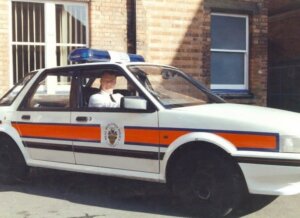
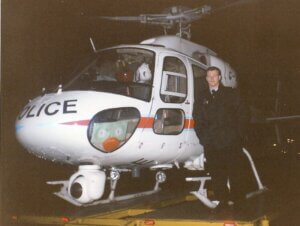
Instead, I returned to full operational duties. Within a couple of years of the injury I was physically strong again and later spent several years in demanding operational policing.
Around 2000, after experiencing further problems with my back, I also spent two weeks at the Southern Police Treatment Centre at Goring. Once again, the combination of structured rehabilitation and specialist support helped me reset physically and get back on track.
The longer-term outcome is probably the best testimony I can give to the value of the Police Treatment Centres.
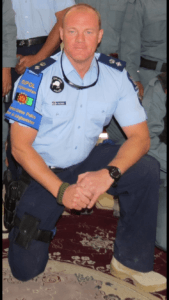
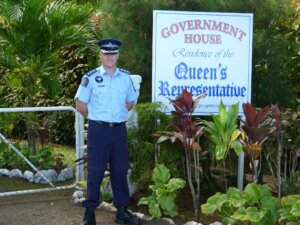
I went on to transfer to another policing organisation in the Southern Hemisphere, became a senior officer and had the opportunity to work internationally. This included service in Afghanistan, where my role required me to patrol while wearing and carrying heavy operational equipment, as well as other work across the South Pacific islands. Following my policing retirement I have continued working back in Europe, Central America and across Indonesia.
None of that seemed particularly likely when I was 24, unable to walk and facing the possibility that my police career might already be over.
More than 30 years later, I still think about the importance of those early periods of rehabilitation. They helped get me going again, both physically and mentally, and they taught me lessons that have stayed with me throughout my career and into retirement: the importance of fitness, resilience, rehabilitation and looking after your mental health.
It was not the only time I was injured during more than 30 years in policing, but it was certainly the injury that taught me earliest how important it is to get the right support at the right time.
There was another side to Harrogate as well, and that was the friendships. I made great friends during my time there and I am still in contact with people I met more than 30 years ago. My closest friend, now a retired Chief Inspector from Lancashire, actually met his future wife while they were both patients at Harrogate. They are still together today.
That probably says something about what made the place special. It was never simply a treatment facility. It was a community of police officers and staff helping people through some of the most difficult periods of their lives.
At the time, I was fortunate to be part of a police welfare scheme which incorporated access to the Centre. I cannot comment on how the arrangements work today, but I can say without hesitation that the support I received was invaluable.
For me, the Police Treatment Centres did far more than help rehabilitate an injury. They helped restore my confidence, reconnect me with policing and put me back on a path that ultimately allowed me to have the career I had hoped for.
I will always be grateful for that.